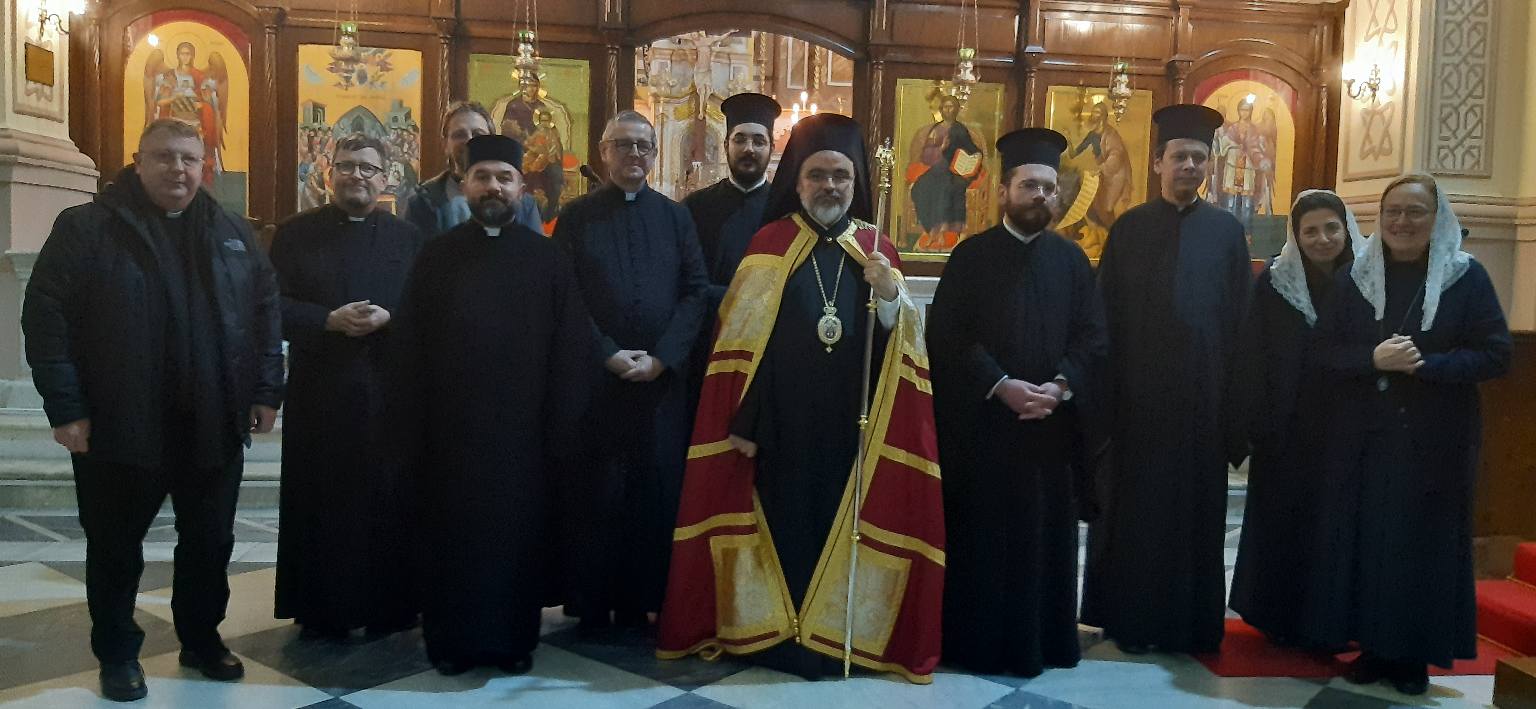
The Week of Prayer for Christian Unity is a special time for Christians around the world. During this period—beyond denominational divisions—they come together to pray for unity. In Izmir, a city rich in Christian history and multicultural heritage, this year’s Week of Prayer was lived out in an atmosphere of ecumenical closeness and mutual respect. The gatherings were held in rotation among four different Christian communities, highlighting both the diversity of the Churches and their shared roots.
1. Gathering in the Orthodox Church – The Beginning of a Common Journey
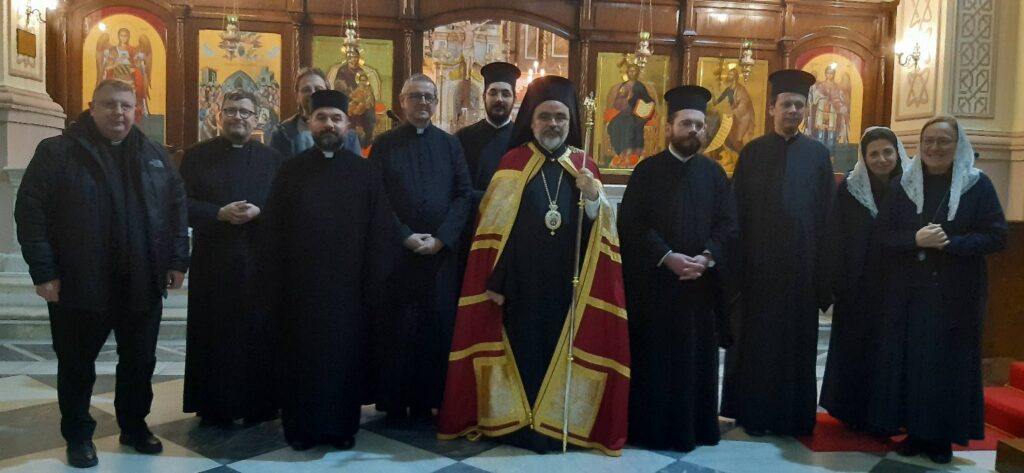
The first prayer gathering took place in the Orthodox Church. The community came together to open the Week of Prayer for Christian Unity in a spirit of prayer and reflection. It was a time marked by hymns and shared prayers. The conviction was expressed that unity is not merely a goal to be achieved, but a process that requires mutual encounter, respect, and shared fidelity to Christ. Metropolitan Bartolomeo Samaras stated that ecumenism is lived concretely in this place and once again thanked Archbishop Martin Kmetec for making the Church of Santa Maria available to the Orthodox community for their liturgical celebrations.
This gathering symbolized the beginning of a journey, reminding all that every ecumenical step must be rooted in mutual trust and openness to dialogue.
2. The Armenian Community at St. Polycarp Church – The Gift of Hospitality and Tradition
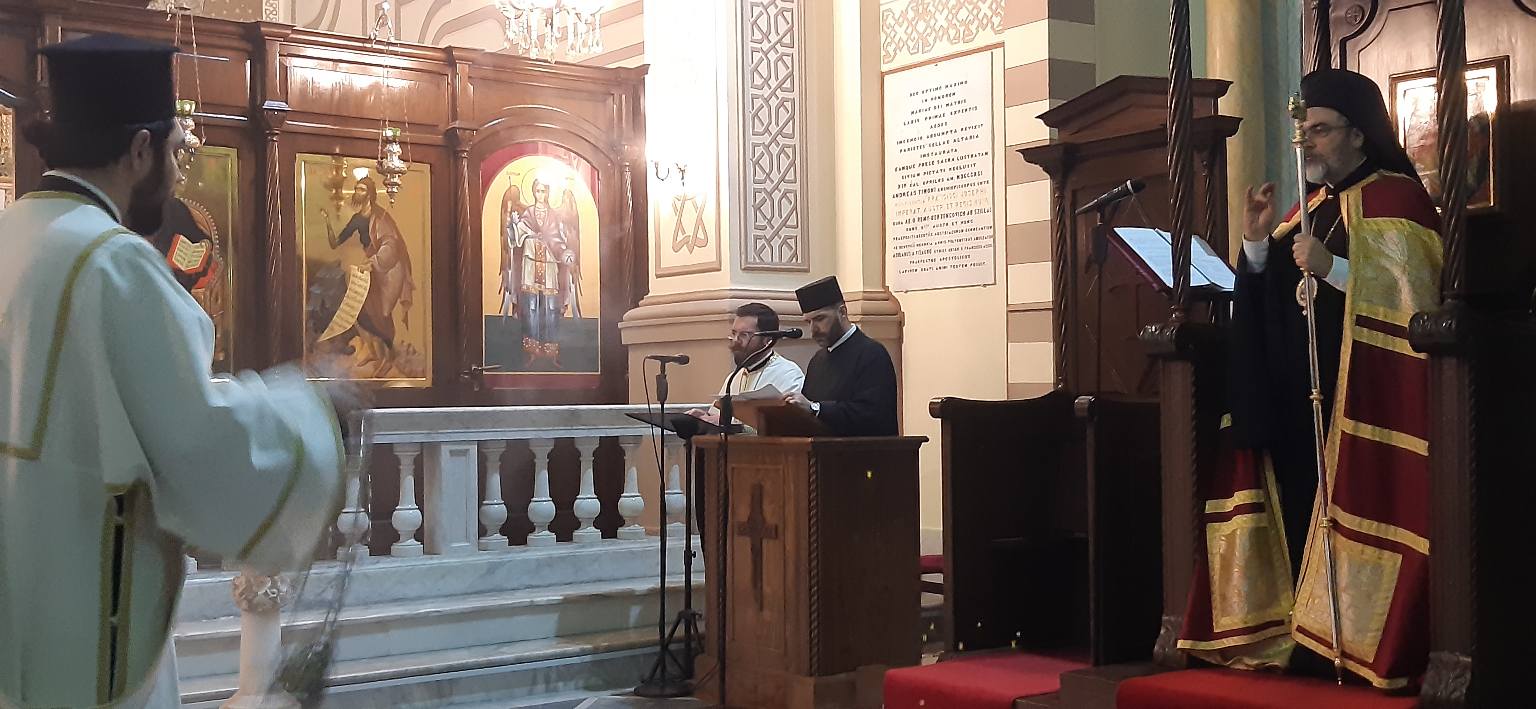
The second gathering was hosted by the Armenian Church community at the Catholic Church of St. Polycarp. This place uniquely brings together the richness of tradition and the history of Christian presence in the region. Within this spiritual and historical context, participants experienced deep fellowship and warm hospitality, while also having the opportunity to encounter the distinctive features of the Armenian liturgy.
We owe special thanks to Archbishop Martin for making this gathering in this church possible. His attitude was a meaningful sign of openness and readiness for cooperation among the Churches.
3. Our Lady of Lourdes Church in Göztepe – A Catholic Place of Encounter and Prayer
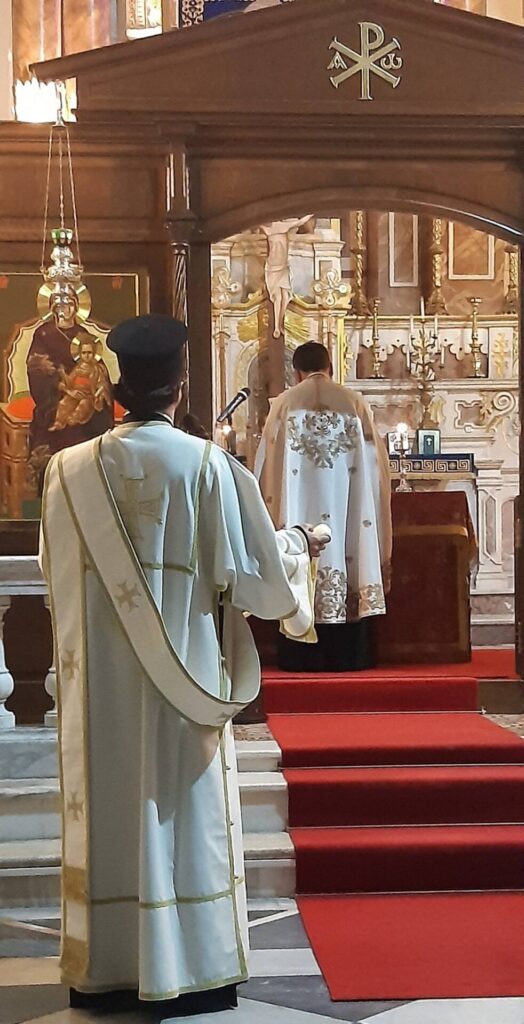
The third gathering took place at Our Lady of Lourdes Church in Göztepe. In this parish, where prayer and sacramental life are daily realities, the Week of Prayer for Christian Unity was experienced as a time of particular unity of hearts and shared trust in God.
The common prayer in this church offered an opportunity to recall that, despite the diversity of denominations and traditions, the Catholic Church sees itself as part of one shared heritage of faith. In the liturgy celebrated together—the first reading proclaimed by a representative of the Anglican Church, the Gospel by an Armenian priest, the homily by a Catholic priest, the Prayer of the Faithful sung by an Orthodox deacon, and the final blessing given by Metropolitan Bartolomeo Samaras—participants experienced that unity becomes possible when Christ is placed at the center. Archbishop Martin Kmetec sent a letter for this occasion, greeting all participants and assuring them of his unity in prayer.
4. The Anglican Church of Izmir – Concluding the Week in a Spirit of Unity
The fourth and final gathering was held at the Anglican Church of Izmir. This meeting was particularly meaningful as the symbolic conclusion of the shared week of prayer. In an atmosphere of mutual respect and fraternal presence, participants once again reflected together on the Word of God and united their intentions in common prayer.
As part of the Christian community in Izmir, the Anglican Church welcomed its guests with open hearts. The gathering concluded with a shared prayer that Christian unity may not remain merely a beautiful and noble desire, but become a concrete witness in the world.
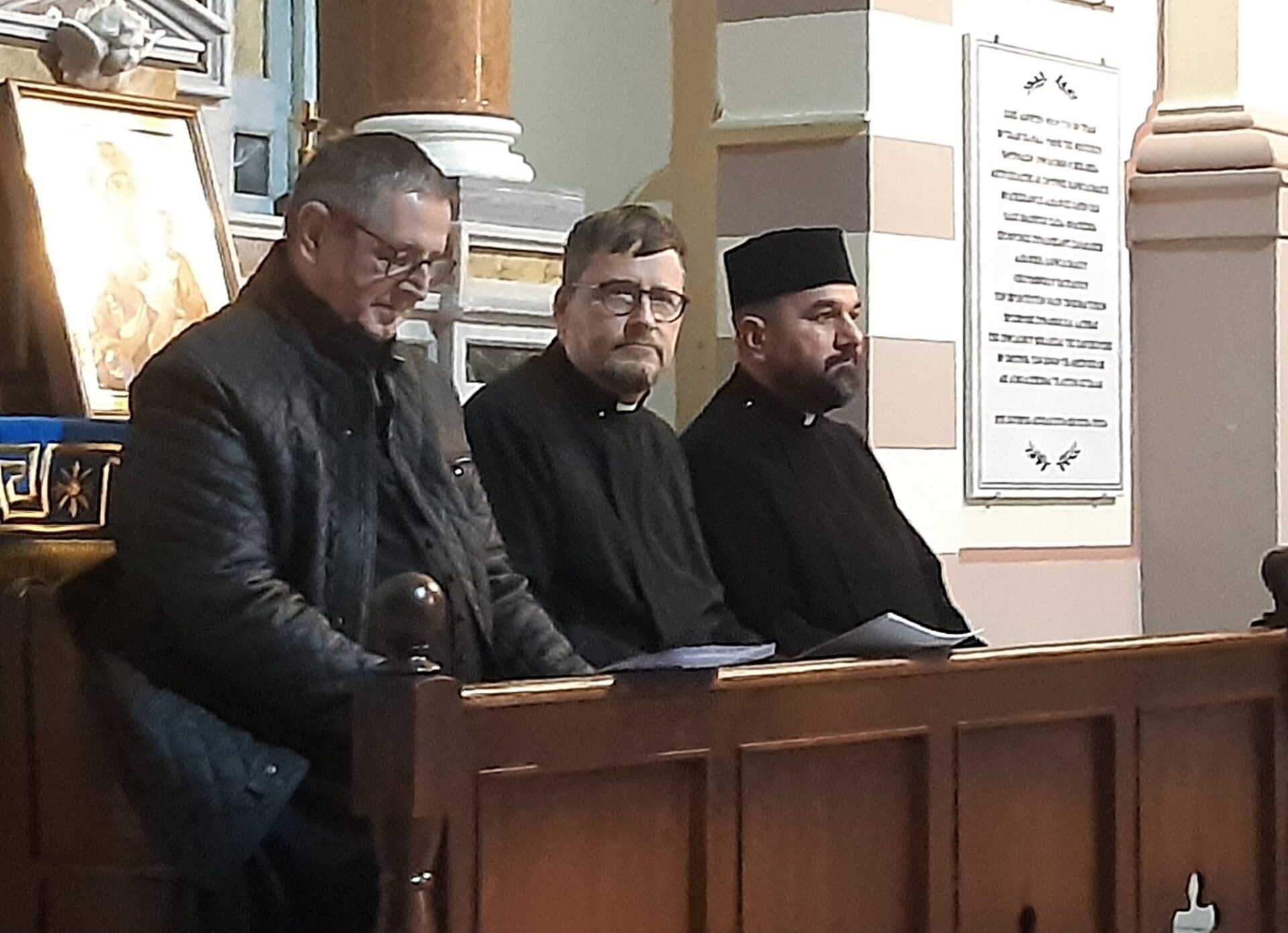
Ecumenism in Practice: A Real Path Toward Unity
The Week of Prayer for Christian Unity in Izmir demonstrated that ecumenism is not merely an idea or theoretical discourse, but a living practice embodied in daily gestures: in hospitality, openness to encounter, shared prayer, attentive listening, and mutual respect.
Each of the four gatherings had its own liturgical and spiritual character, yet all were united in the same purpose: to pray for unity so that, despite differences, Christians may be one body in Christ.
These shared encounters across four different churches also testified that unity does not mean uniformity; rather, the harmonious coexistence of diverse traditions finds its common source in the Gospel.